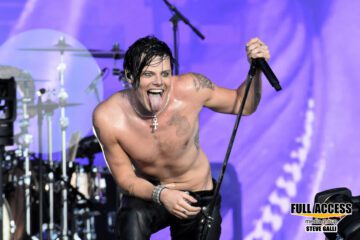
On a humid late-summer night in Tampa, Jessie Murph transformed the Yuengling Center into an intimate confessional disguised as a rowdy, stadium-sized party. Touring behind her acclaimed Sex Hysteria album, Murph brought a show that was part raucous celebration, part open-wound vulnerability—a balance she has mastered as one of pop’s most emotionally candid rising stars. Fans, many of them in their late teens and twenties but with a noticeable contingent of older listeners drawn to her unvarnished lyricism, began queuing outside the venue hours before the doors opened. By the time the lights dimmed, the 10,000-seat arena was filled nearly to capacity, buzzing with the kind of restless anticipation that suggests something unforgettable is about to happen.
 The staging alone signaled Murph’s intent to deliver more than just a run-through of album tracks. A towering LED backdrop displayed saturated colors and abstract visuals—swirling pinks, deep crimsons, electric blues—that shifted moods in step with her setlist. The sound design was equally meticulous: crisp vocal mixing ensured Murph’s signature rasp cut through layers of synths, live drums, and the occasional blast of distorted guitar.
She opened with “Gucci Mane,” one of Sex Hysteria’s most explosive tracks. The song’s thunderous chorus sent a physical vibration through the floorboards, and Murph’s entrance—silhouetted against a blinding backlight before striding into view—was the sort of dramatic reveal usually reserved for seasoned arena veterans. She moved with a mix of swagger and ease, clearly energized by the roar of the audience. As the final chorus hit, confetti cannons erupted, raining shimmering paper over the pit and igniting the first of many deafening sing-alongs.
Rather than simply ride that initial wave, Murph made an early pivot into vulnerability with “1965” and “A Little Too Drunk.” Here, the LED screens dimmed to muted purples and soft whites, and a single spotlight bathed her in warmth as she perched on a stool near the edge of the stage. Her voice—husky yet elastic—slid between aching whispers and powerful belts, capturing the self-doubt and yearning that make her lyrics resonate so deeply. The Yuengling Center, a building more accustomed to college basketball games and corporate events, felt momentarily transformed into a living room full of confidants. Even in the rafters, fans swayed in reverent silence, phones down, letting the music wash over them.
 This deliberate fluctuation between bombast and intimacy defined the evening. “Sex Hysteria” cranked the energy back up, Murph strutting the catwalk and exchanging high-fives with fans in the front rows. Her live band deserves credit here: the drummer’s crisp snare hits and the bassist’s punchy grooves made even her poppier songs feel urgent and gritty. The decision to use a full band rather than rely solely on backing tracks gave the performance a sense of spontaneity—fills were extended, guitar solos stretched a few beats longer, and Murph herself occasionally ad-libbed over transitions, laughing when a particularly emphatic cheer threw her slightly off tempo. These imperfections added charm rather than distraction, reminding everyone this was a living, breathing performance, not a sterile recreation of the record.
From a technical standpoint, the production impressed. The lighting design used sudden blackouts to punctuate big beats, then exploded into bursts of color synchronized with drum fills. The sound engineers struck an impressive balance between her vocals and the instrumentation, a feat not always achieved in arenas known for tricky acoustics. Even in the upper decks, the mix remained clear, allowing subtler elements like background harmonies and atmospheric synth pads to shine.
The pacing of the show was deliberate, avoiding the common trap of front-loading all the hits. Murph saved some of her most anticipated songs for the final third of the concert, including “Cowboy and Angels” and “Wild Ones.” The audience responded with a frenetic energy that rattled the building’s steel beams.
From a journalistic perspective, what makes this tour compelling isn’t merely Murph’s vocal talent or her knack for earworm melodies—it’s her emotional transparency. Many pop stars present carefully curated personas, but Murph leans into imperfection. Her stage banter, her willingness to let her voice crack on a high note, her choice to include songs that expose her insecurities—all of it contributes to a sense that she’s inviting fans into her world, not just performing for them. That authenticity resonates particularly strongly with younger audiences navigating their own messy realities.
 The Tampa crowd reflected the diverse reach of her music. Groups of college students in crop tops and glitter mingled with parents accompanying teenage kids. Couples slow-danced during the ballads, while packs of friends shouted every word to the uptempo hits. The energy was inclusive rather than cliquish, suggesting Murph’s appeal crosses demographic boundaries. Security staff even seemed swept up in the atmosphere, nodding along at their posts.
Critically, the Sex Hysteria material holds up live. Too often, pop albums built for streaming falter onstage, revealing thin arrangements or overproduced vocals. Murph’s songs, by contrast, gain texture and weight in a live setting. The gritty guitar tones on “Bad Behavior” sounded more dangerous, the bass drops on “Lost Cause” hit harder, and her voice—freed from studio polish—showcased a rasp and emotional shading that recordings can’t fully capture.
The Yuengling Center proved an inspired choice. Its slightly smaller capacity compared to the Benchmark International Arena, created a more intimate feel while still accommodating a sizable audience. Acoustically, the venue surprised: though notorious for boomy bass at some shows, the production team here achieved impressive clarity. Logistically, parking and entry lines moved smoothly, and the arena staff were notably enthusiastic—a detail that can subtly enhance or detract from a concert-going experience.
 Jessie Murph’s stop at the Yuengling Center confirmed what industry insiders have been whispering: she’s no longer just a promising newcomer—she’s an arena-level artist with staying power. Her ability to fuse raw storytelling with polished production, to command a stage while still feeling accessible, sets her apart in a crowded pop landscape. The Sex Hysteria Tour is not merely a promotional run; it’s a statement of intent.
For Tampa fans, the evening was more than a concert. It was a shared emotional journey, a two-hour catharsis where heartbreak, joy, anger, and hope coexisted under one roof. Murph’s gift lies in her ability to hold space for all of it—to be both the life of the party and the friend who stays up late listening to your heartbreak stories. As fans spilled into the humid Florida night, still humming choruses and wiping confetti from their hair, the consensus was unmistakable: Jessie Murph didn’t just perform—she connected, and in doing so, she reminded everyone why live music remains one of the most powerful communal experiences we have.